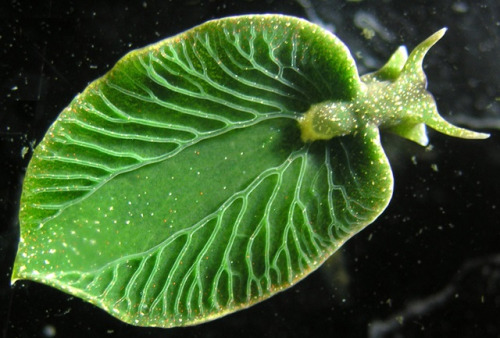
Elysia chlorotica is a solar-powered marine sea slug that sequesters and retains photosynthetically active chloroplasts from the algae it eats and, remarkably, has incorporated algal genes into its own genetic code
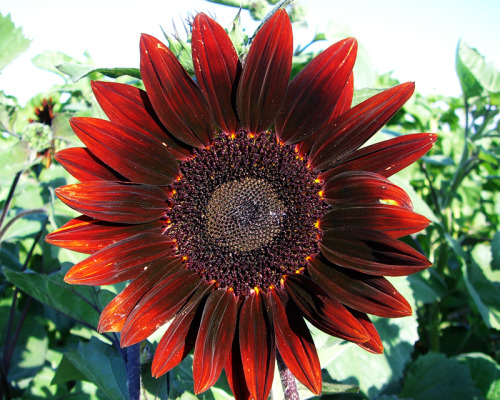
This sunflower is known as the moulin rouge.
Anonymous: do you plan on doing another dare day sometime in the future? 🙂
Yes but I haven’t decided when yet
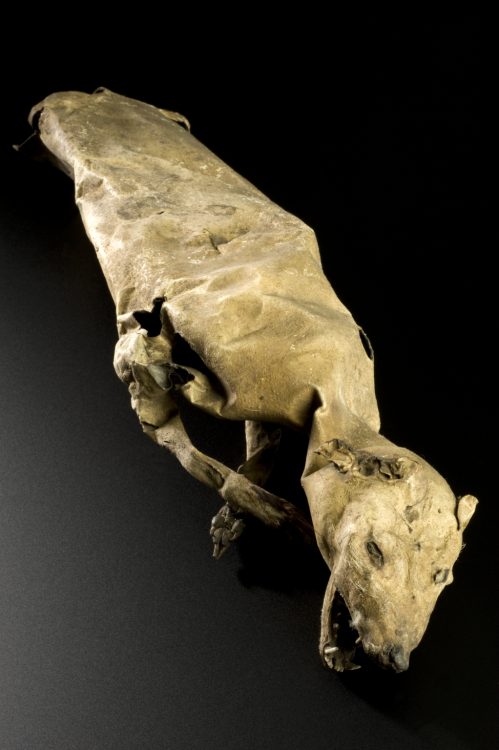
A shaman in Uganda, East Africa, probably used this dried jackal skin. Shamen were once referred to as medicine men. The skin may have held herbs, minerals and objects for divination. Distinctive clothes and accessories such as this bag identify healers and show their high status within their community.
The skin may also have been used as a puppet like figure in healing ceremonies. Traits are associated with different animals within many African cultures. They are linked with individuals such as chiefs or medicine men. The wearer of the skin of that animal can adopt those traits and use them to their advantage. (Source)
Around the same time of the deadly Spanish Influenza (1918-1920), there was another rampant illness that many have forgotten about. It was called Encephalitis Lethargica, which at its peak killed a million people and left millions of others paralyzed in their bodies.
While it was dubbed the sleepy sickness it had a variety of symptoms including sore throat and seizures. Eventually, the infected person would end up in a coma or dead as it had a 40% mortality rate. But then, as mysteriously as it appeared, the epidemic ended in 1926. It is still not known what caused it and it has no cure. (Source 1 | Source 2)
 Welcome to Sixpenceee. You’ll find interesting content that ranges a wide variety of topics but our specialty is in creepy/bizarre/horror/paranormal & science. We don't claim any material here unless otherwise stated. For business purposes please contact us at [email protected].